The WorkCommunityGreensboro, NC
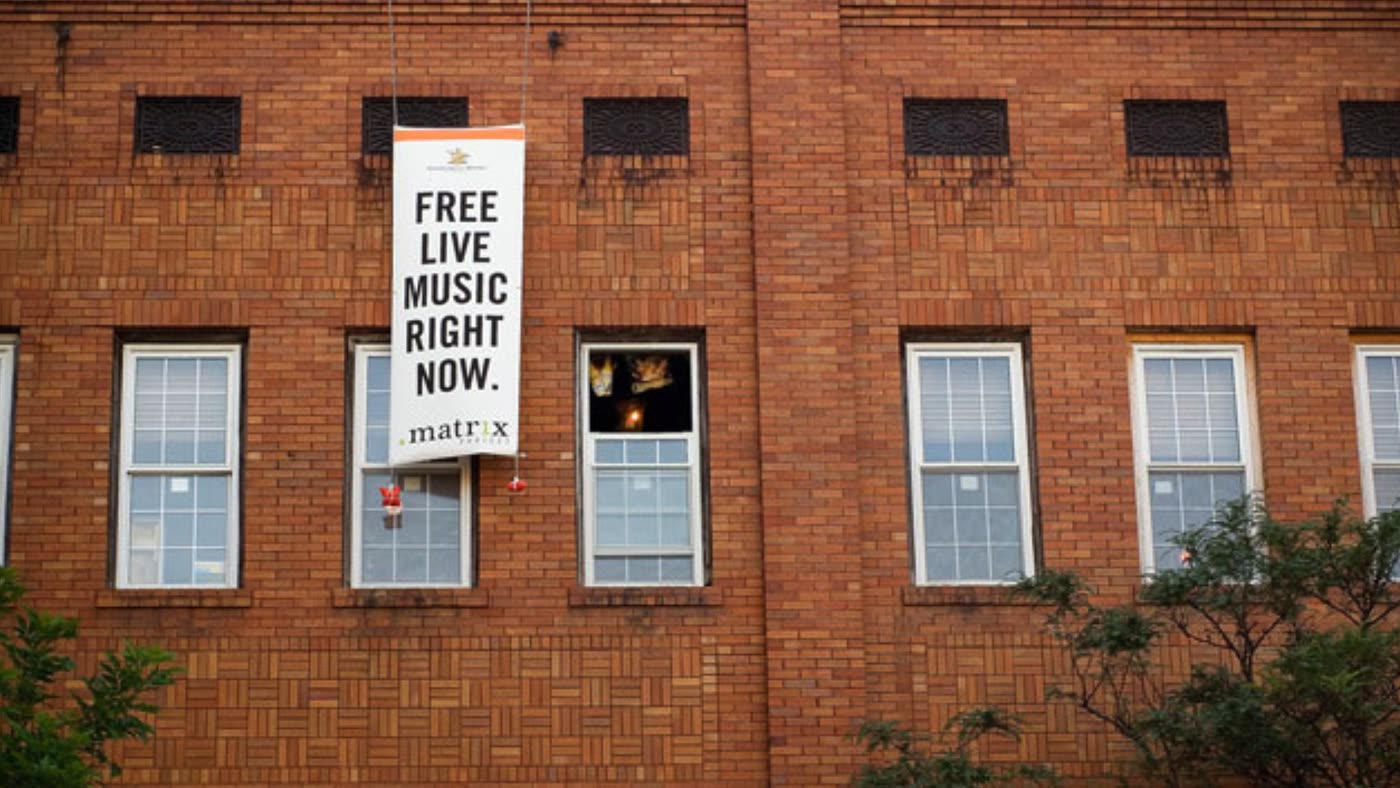
The .matrix project, free live music for Greensboro
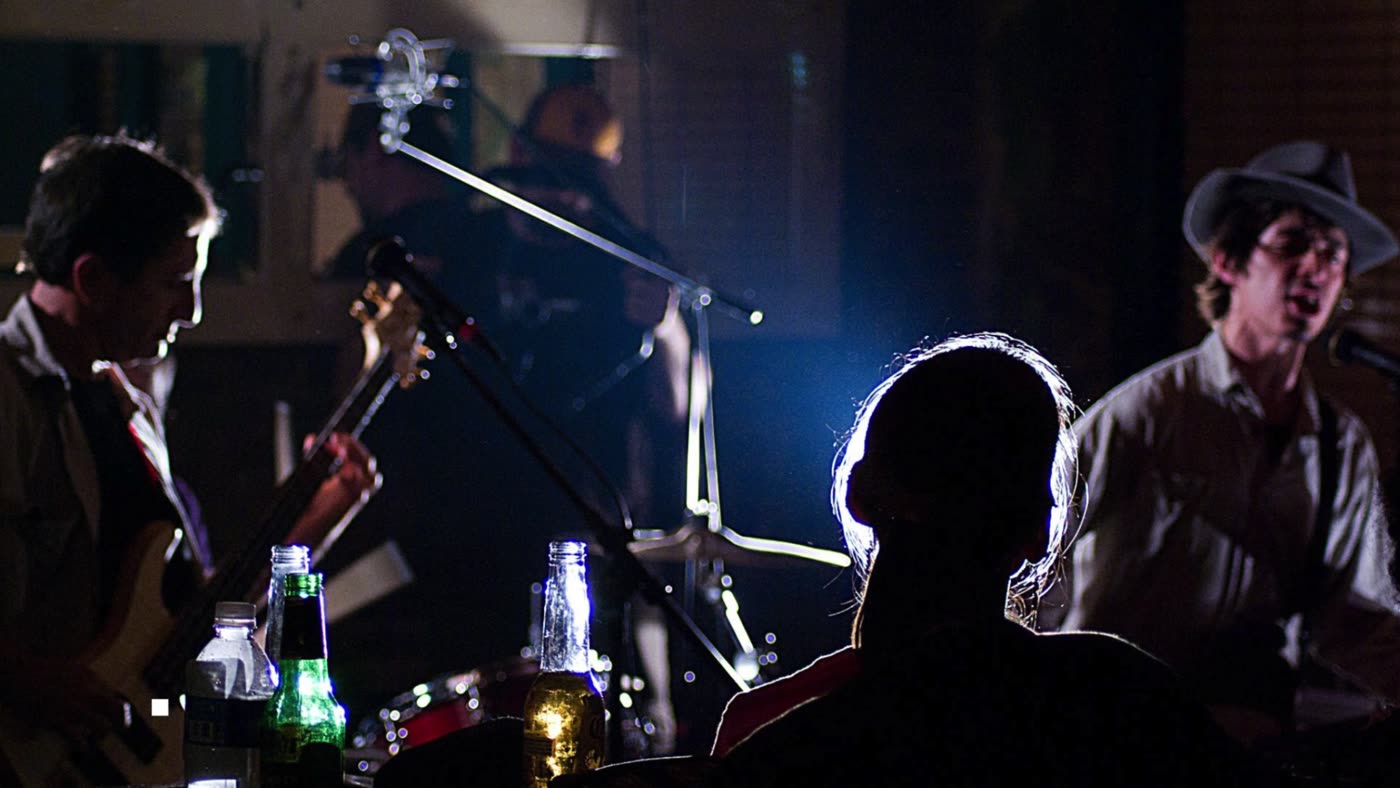
For three years I ran a free monthly live music series in Greensboro, North Carolina. Two or three local acts played original music while local filmmakers, photographers, and sound engineers documented every set, and we gave it all away. No one was paid. Hundreds of musicians and more than fifty media creators built it together.
- My role
- Founder and executive producer
- When
- 2007 to 2010
- Where
- Greensboro, North Carolina
- Shows
- About 30, free to the public
- Funding
- Personally bootstrapped
The spark
In mid-2007 I had a front-row seat to the state of the music industry, and it wasn’t on the Billboard charts or my iPod.
A couple of nights a week I watched my girlfriend at the time, a singer-songwriter, mesmerize a room with playful lyrics and a bluesy voice, while struggling to make ends meet as a musician. She loved performing, collaborating with her bandmates, and the energy of a crowd, so she didn’t complain much about working full time and playing gigs. But I could see the grind wearing her down. Most of her shows were in wine bars, public spaces, or a room shared with whatever else the bar had booked that night.
Around the same time, I was asked to produce and promote the music event for ConvergeSouth, Greensboro’s attempt to capture some of the lightning SXSW had found in Austin. A local journalist had taken to calling me the town’s “internet cowboy,” and I started thinking past that one show, to how we might promote local artists through the new social web. My brother, Andy Coon, an award-winning documentarian, helped me film the show and edit a video for each band.
Greensboro had a lot going for it: studio arts communities, an underground music scene that ran from house shows to pizza shops, venues with storied histories, and a strong indie film community. But sustained investment in the arts hadn’t been a priority, and local artists were frustrated. I saw an opening to introduce our suburban neighbors to the talent around them by bringing those separate creative communities together.
The idea
What might happen if I put on a free show once a month, featuring two or three local acts playing original music, and invited local photographers, filmmakers, and sound engineers to document their sets? If we released the live albums, music videos, and photography online for free, might Greensboro’s creative scene become more connected, and get attention from people outside it?
Everything we made was released under a Creative Commons license, so anyone could share it and remix it. I hoped it could become a flywheel between Greensboro’s creative scene, downtown businesses, the social web, and the people of the 336. With exactly one show behind me, it began.
The deal
There was one rule: no money involved. Instead, every person who brought their craft got something back for it.
- MusiciansA professional master recording of their set, a music video of the song of their choice, a stack of quality photographs, and a media community of fifty-plus to build relationships with
- FilmmakersClose collaboration with bands, experience running a room while shooting, editing with direct input from the musicians, and high-quality audio from our engineers. A local theater ran our music videos before its movies for at least a year
- PhotographersThe chance to have their best shot become a live album’s cover, their work in promotion around town and online with full credit, and a place in our photo exhibits
- Sound engineersDan Bayer and Don Ravonne mic’d the stage, ran the board, mixed the recordings, and worked with each band on its live sound. Real experience as both show and studio engineers
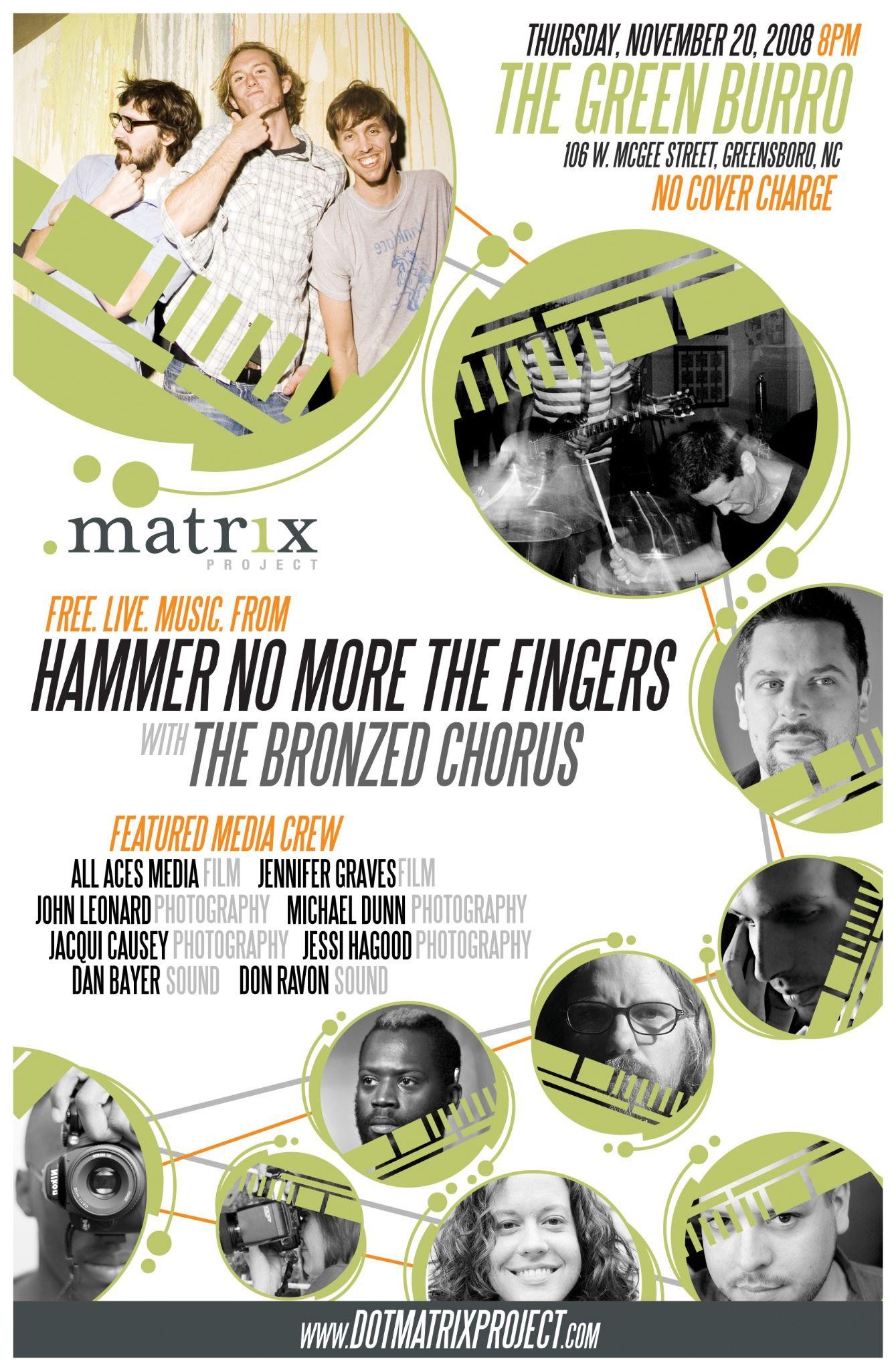
- DesignersJustin Reich designed our flagship poster around the community, and others in the community contributed posters of their own, for telephone poles, Yes! Weekly, and online
- The venueThe Green Burro gave us its back bar at no cost, as long as our emcees kept reminding the crowd to grab a drink and tip the bartenders
A few people hesitated, and one turned it down because they wanted to be paid. But most saw it as a service to the arts community, and were drawn by the press, the professional-grade recordings, and a laid-back room shared with other creative people. I personally bootstrapped the stage and recording equipment and the marketing. Beyond that, money stayed in pockets.
Getting out of the way
As I bounced between venue negotiations, radio promotions, and the creative direction of the shows and marketing, a volunteer collective came together and took on a life of its own. It was a magical time.
Key volunteers led their own communities, building a stable of talent to collaborate with the musicians. How the albums were recorded and mixed, how shows were photographed, and how the music videos were made belonged to the media creators themselves. I gave critique in post-production for quality and consistency, created the marketing and radio spots, and put my attention on everything around the work: networking, booking, securing venues, advertising online and on the street, logistics, interviews, and scouting talent. I even emceed.
I didn’t want barriers to entry. I wanted quality shows, but I put completely unknown acts first, because shining a light on them was the whole reason for the project. I booked better-known artists here and there so attendance would grow and buzz would carry people to the media online. And I booked across genres, to bring in audiences from all over Greensboro and, eventually, the state. That range was the best part:
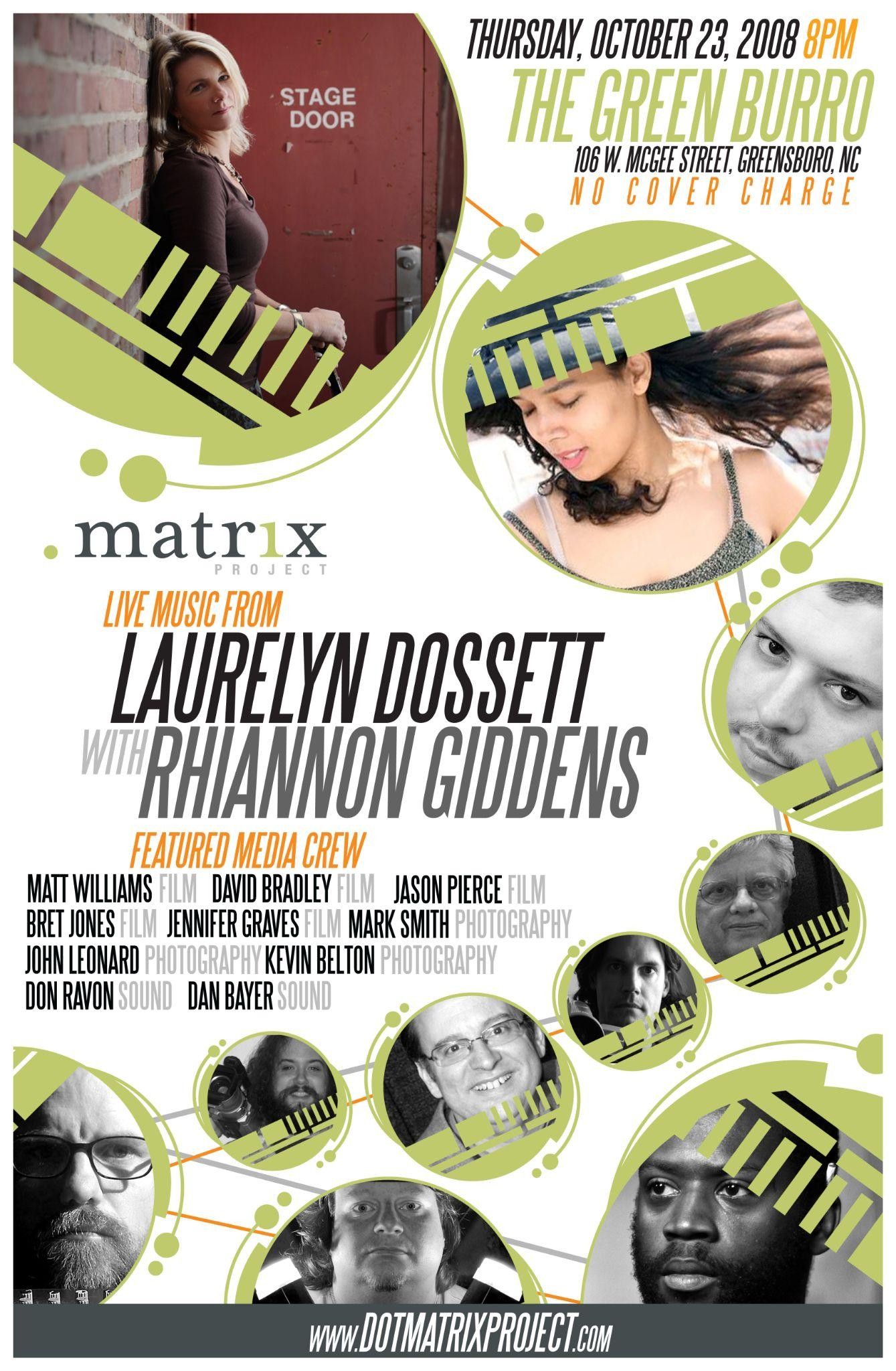
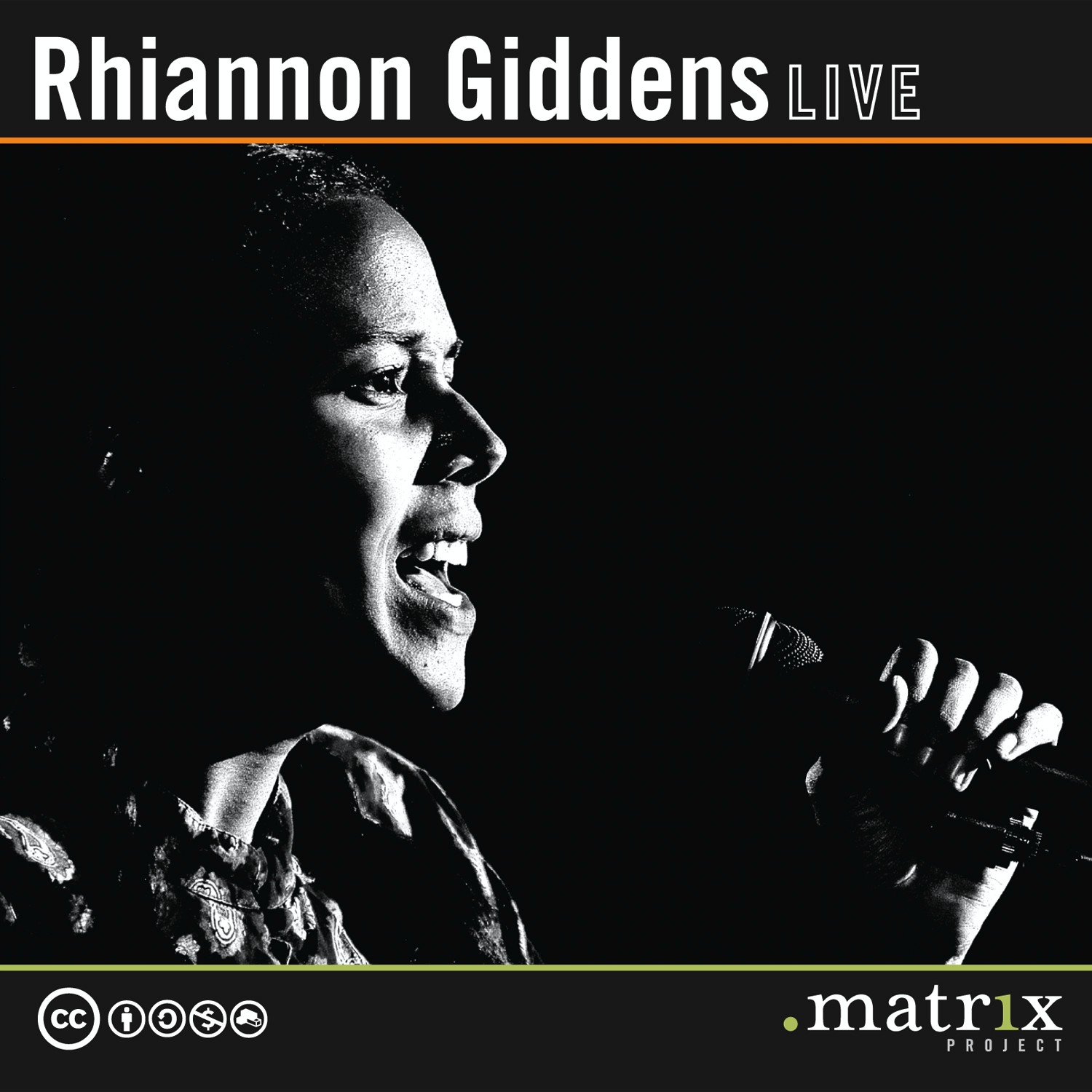
- A listening room, with folding chairs and an emcee asking the crowd to listen, for local legend Laurelyn Dossett and Greensboro native Rhiannon Giddens, the Grammy-winning lead singer of the Carolina Chocolate Drops.
- A punk night with The Leeves and Queen Anne’s Revenge, then a hip-hop and spoken word show with Universal Mathematics and Mr. Rozzi.
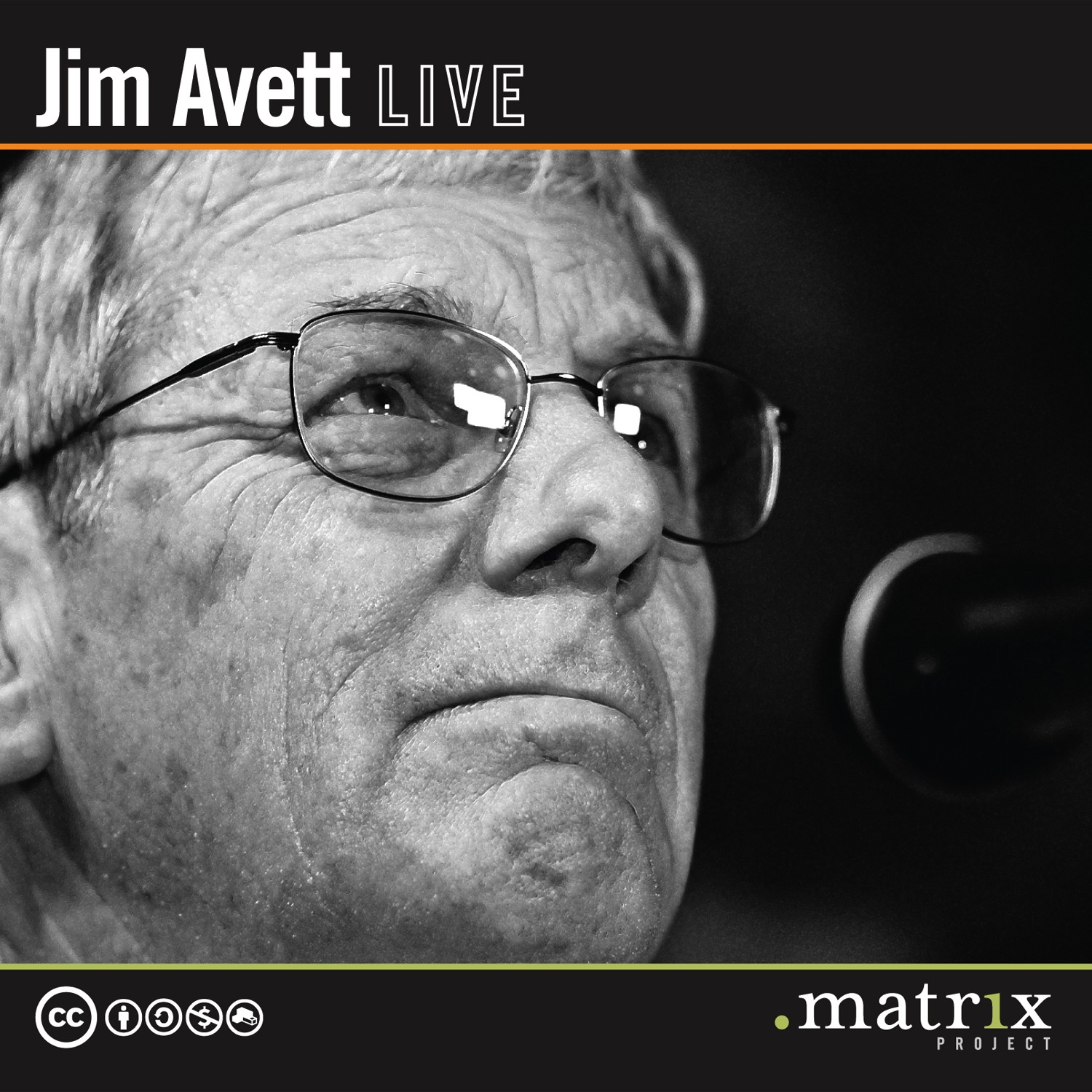
- Jim Avett, with his two accomplished sons sitting in on backing vocals.
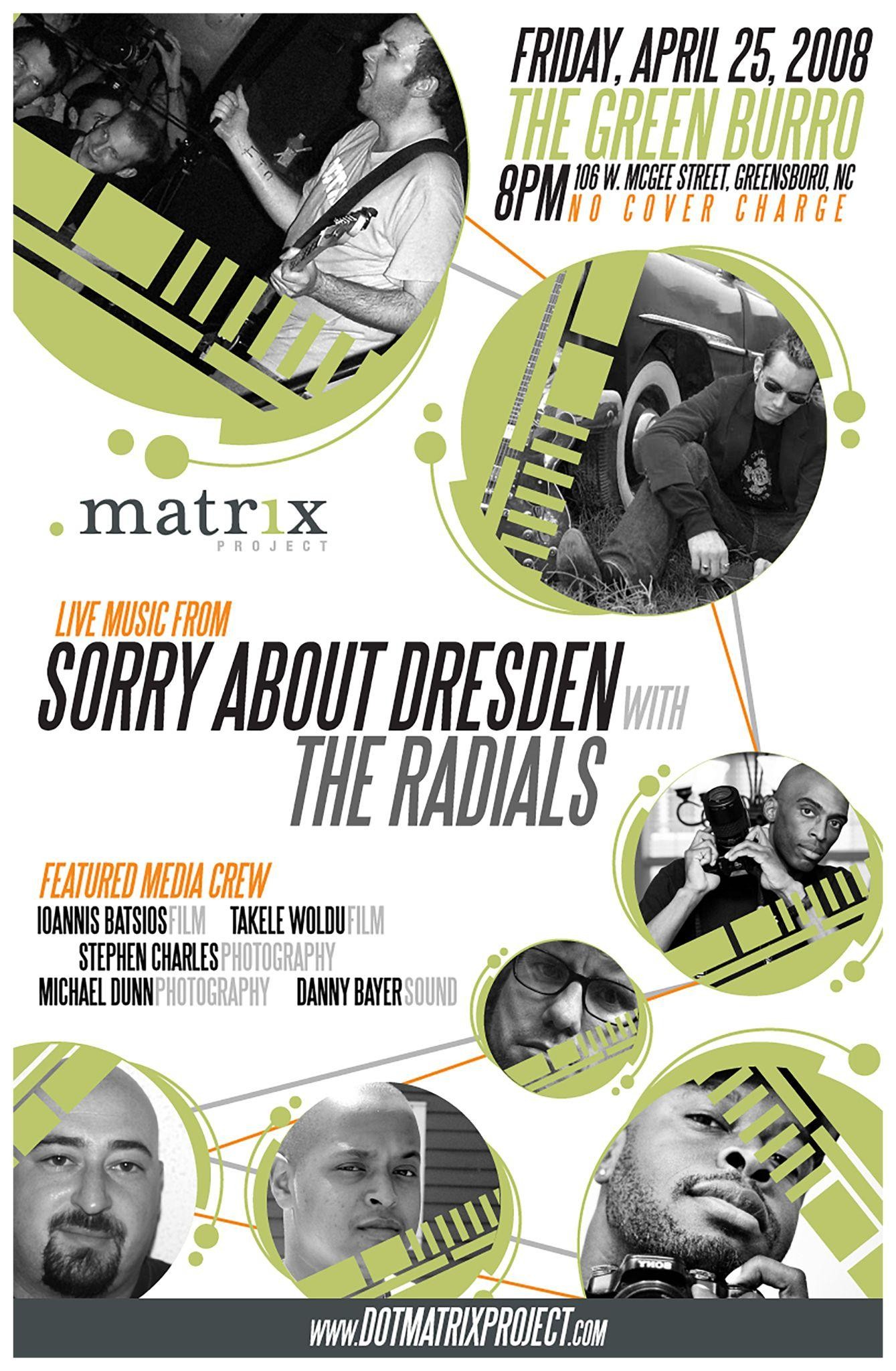
- Sorry About Dresden, on Saddle Creek Records, who signed on for our very first show when few familiar acts would, so we came off as legit.
Tim Lafoyette, lead singer of Decoration Ghost, played for us just months after his ALS diagnosis, while he could still walk on his own. His story was documented in my brother’s web series, Often Awesome. The following year, we joined the Often Awesome army, his caregivers, to put on a benefit concert in his name.
What it became
As the shows stacked up, past players and media folks started showing up to support the newest bands. Online, I watched musicians connect with photographers to work future gigs. Talent and fans were cross-pollinating, and residents were showing up for the free live music.
| Year | Musicians and creators | Venues | Capacity | Live albums | Music videos | Show photos | Video views* | Photo views* |
|---|---|---|---|---|---|---|---|---|
| 2007 | 13 | 1 | ~40% | 0 | 3 | 46 | ~700 | ~500 |
| 2010 | 200+ | 7 | ~90% | 41 | 49 | 3,843 | ~286,000 | ~2,690,000 |
*Total views as of 2021.
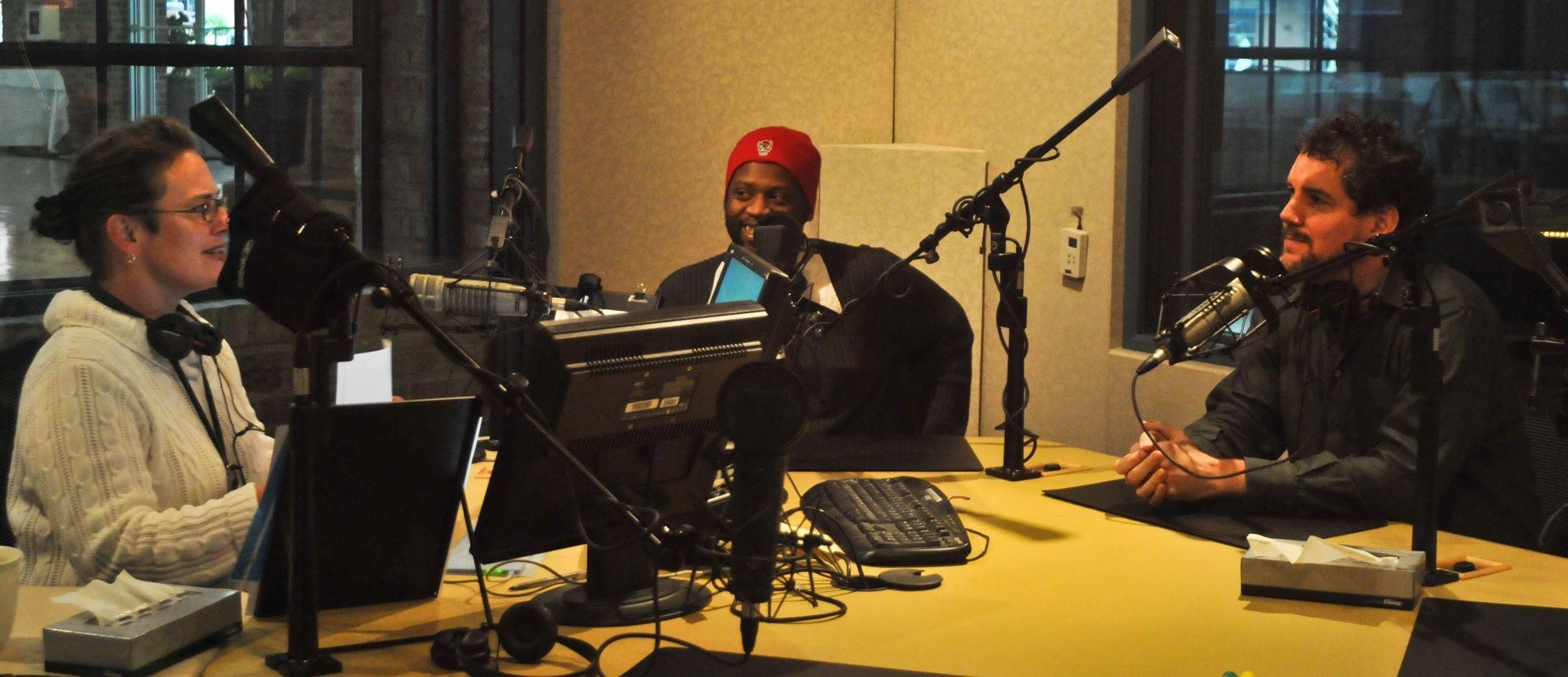
We became a fixture of the downtown scene, lifting as many boats as we could. The photographers’ work hung in our photo exhibits, the music videos played before movies at a local theater, and the media lived on YouTube and Flickr, free to share. I was interviewed about the project on WUNC’s The State of Things, the News & Record covered it, and Creative Commons featured it as an example of a local scene sharing its work with the world.
What I carry
The .matrix project taught me what leading looks like when no one has to follow.
There were no salaries, no titles, and no contracts. People came because the idea was worth their time, and they stayed because they were treated as the reason it worked. My job was to make the idea clear, make the trade fair, and then get out of the way of people who were better at their crafts than I was. The best things that happened, the collaborations between musicians and media creators, the regulars who came back to support new bands, weren’t things I planned. They grew because the room was built for them.
It was also the most direct way I’ve found to make a difference where I live: not by fixing the music industry, which I couldn’t, but by giving a few hundred talented people a stage, an audience, and work they could keep.
In their words
“Sean was the passion and the driving force behind the Dotmatrix Project. The collaborative process between all the artists created a new sort of dialogue: one which was mutually beneficial to all involved. Sean’s vision of the project was unwavering and he maintained a high degree of organizational integrity throughout. It remains a project unlike any that Greensboro had seen before and there is nothing like it now.”
“My band, The Wigg Report, has had the great pleasure of playing .matrix not once but twice. The sheer number of expert technicians and documentarians from engineers to photographers to filmmakers was impressive and also seamless for us to work with. The high quality of work they produced blew us away. Sean Coon sets the standards for how all curated multimedia events should be run.”
Want to talk about it? Email me.